Why Thin Trade Websites Are Now Actively Hurting Your Search Visibility
A thin contractor website — generic copy, stock photos, minimal trust signals — used to be neutral. In AI search, it's an active liability that lowers your recommendation confidence.
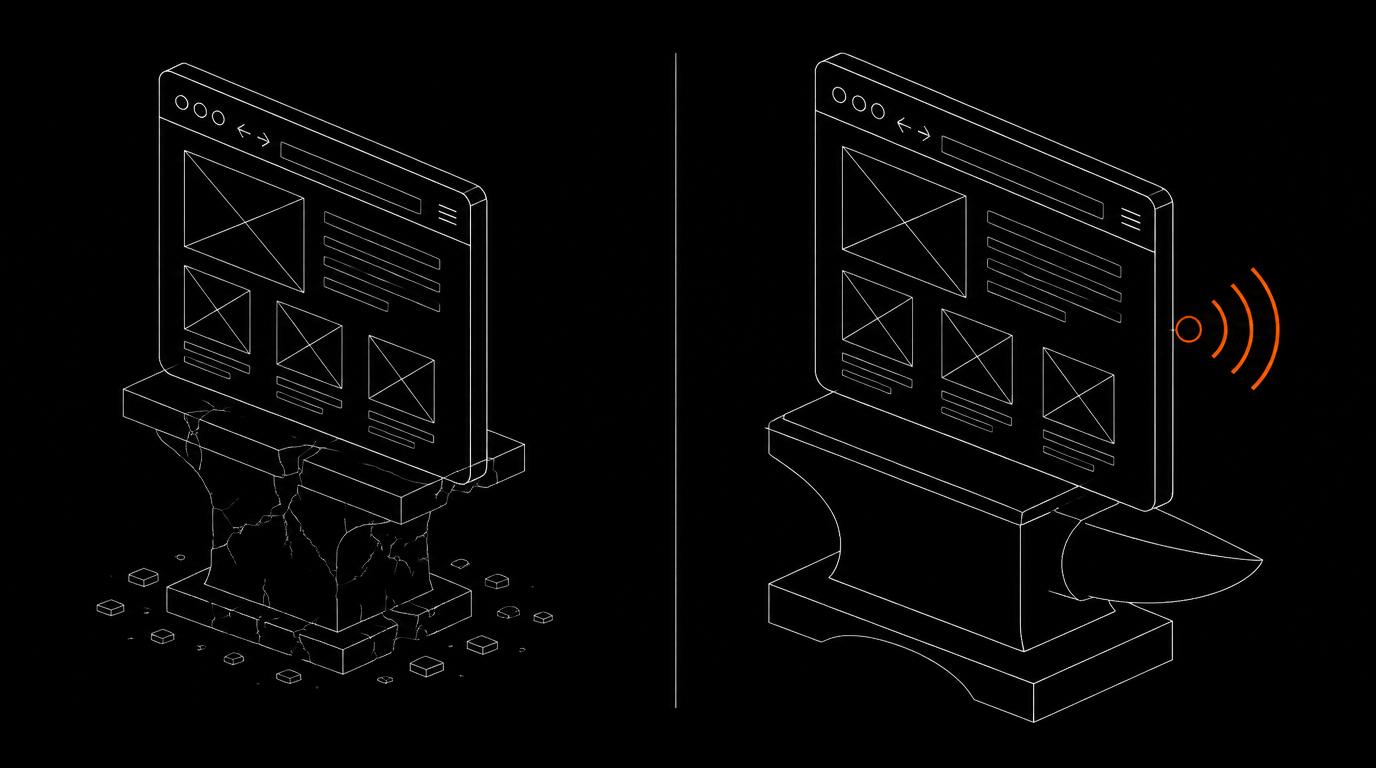
There's a version of this conversation that used to be about missed opportunity. 'Your website isn't helping you as much as it could be.' That conversation has changed. In 2026, for a growing category of thin contractor websites, it's no longer just about missed opportunity. It's about active damage.
A thin trade website — generic copy, stock photos, a few pages with no depth, minimal trust signals — used to be a neutral presence. You weren't winning with it, but you weren't losing because of it either. That balance has shifted.
What Changed and Why It Matters
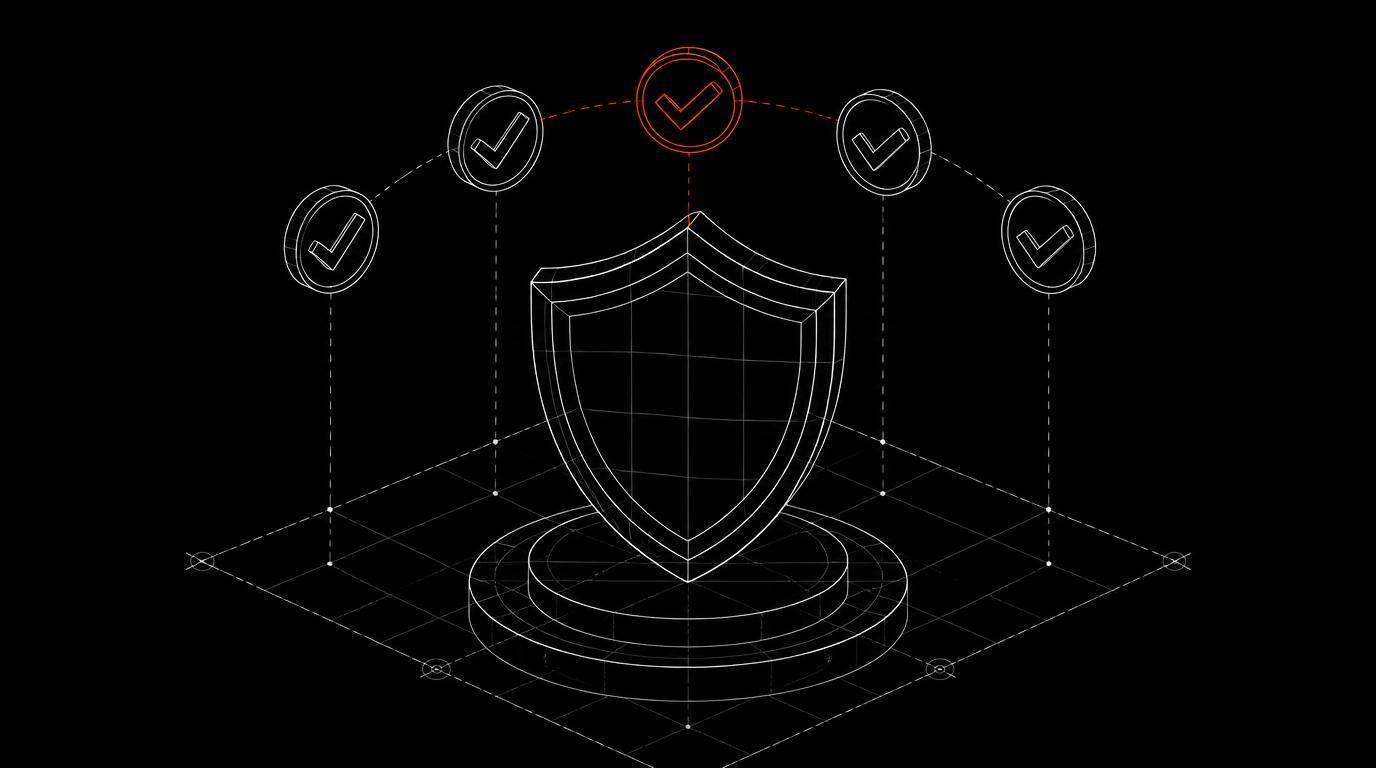
Google's AI search systems evaluate businesses — not pages. In the old model, your GBP, your reviews, and your website were essentially separate signals that Google weighed individually. A strong GBP could partially offset a weak website. In the AI model, these signals are synthesized into a composite picture of your business. And a thin website doesn't just fail to add to that picture — it introduces trust friction: active signals that reduce the AI's confidence in recommending you.
The sum of a strong GBP, strong reviews, and a weak website is not the same as strong GBP plus strong reviews. The weak website is dragging the composite score down.
What a 'Thin' Website Actually Looks Like
Before going further, it's worth being specific about what 'thin' means — because most business owners whose websites are thin don't think of them that way. A thin trade website isn't necessarily an ugly one. It isn't necessarily old or broken. Thin is about depth and evidence, not aesthetics.
- One 'Services' page listing everything you do with no depth on any individual service
- Copy that could belong to any contractor in the country — 'We're a family-owned business committed to quality, honest service, and customer satisfaction'
- Stock photography that appears on dozens of other contractor websites
- No before-and-after photos from actual jobs. No case studies. No documented project history
- Missing or buried credentials — license numbers, certifications, and insurance not immediately findable
- No service-area depth beyond a 'we serve these cities' list
The Three Ways Thin Websites Create Active Damage
— 1. They Lower Your Composite Trust Score
AI systems synthesize signals across your entire digital presence. When your website provides shallow, generic signals while your GBP and reviews provide stronger signals, the composite output is lower than your best signals alone. A business with a strong GBP, strong reviews, but a thin website doesn't earn top-of-response AI recommendations.
— 2. They Signal Business Neglect — Which Questions Legitimacy
To an AI system evaluating whether your business is actively operating, a website that hasn't been substantively updated in years sends a clear signal: this business does not invest in its digital presence. That signal creates an inference problem. A competitor with an active, current, well-maintained website doesn't create this uncertainty.
— 3. They Fail the Post-Click Experience Test
When AI Mode recommends a business, it's putting its credibility behind that recommendation. A website that predicts a poor post-click experience — based on load speed, mobile responsiveness, contact accessibility, and content quality — is a riskier recommendation target. Businesses that present lower post-click experience risk get recommended more confidently.
The Fix Is Not a Redesign for Its Own Sake
The answer to a thin website is not a prettier website. Aesthetics alone do not move the trust needle. The answer is depth. Service pages that earn the word 'expert.' Real proof through documented job photography and case studies. Genuine credentials displayed and explained. Geographic commitment through dedicated pages for primary markets. Structured data. Current, maintained content.
None of this is about tricking Google's AI. It's about actually building the digital presence that a well-established, trustworthy trade business should have — and that homeowners, when they find it, will immediately recognize as credible.
Get a Clear Picture of Where Your Digital Presence Stands
Want to know exactly where your website stands against the trust signals that matter? Our competitive audit gives you that picture in one business day — benchmarked against your top local competitors.
No pitch. No commitment. A real, 15-minute video teardown of your site.